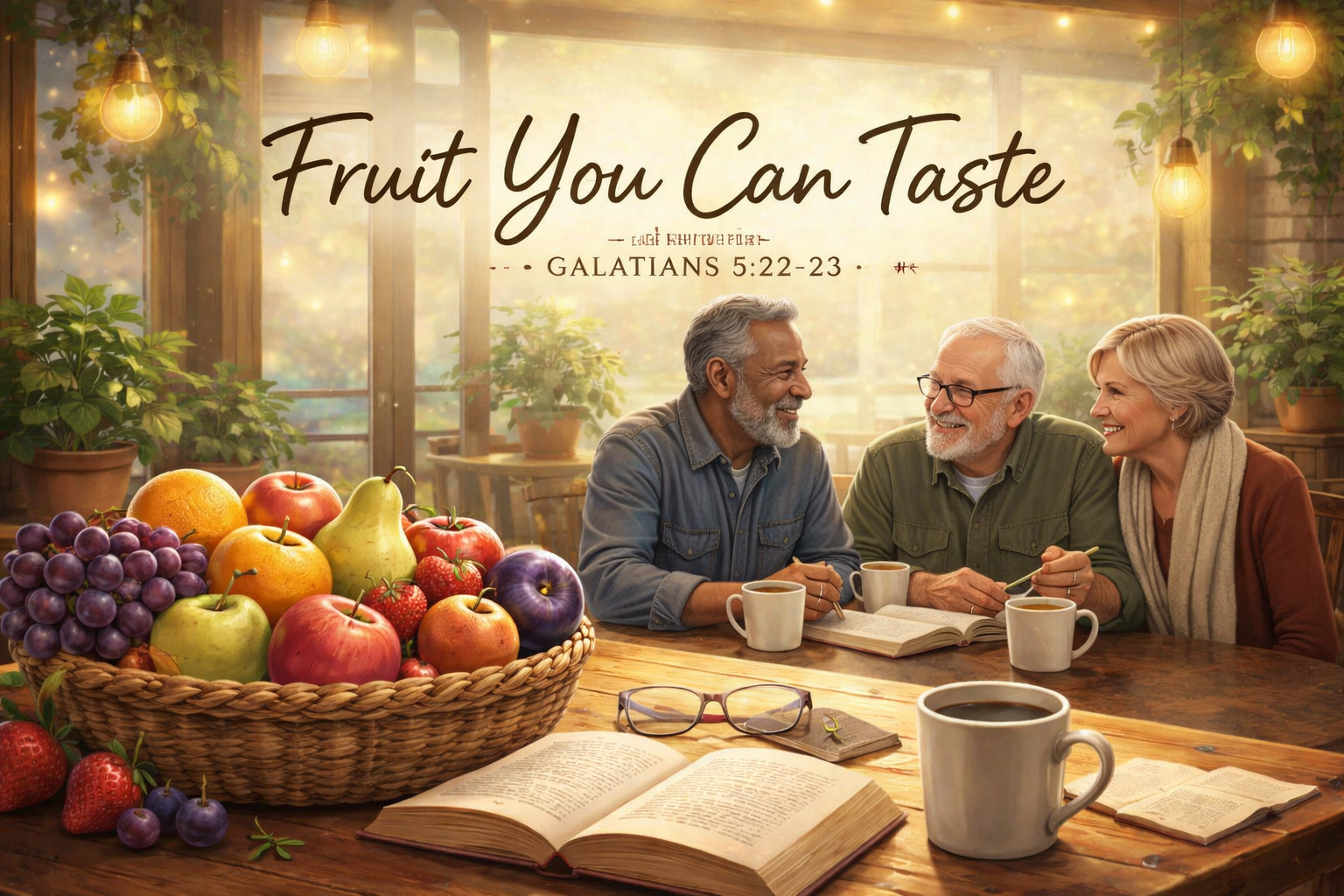
Fruit You Can Taste
“Fruit matters because it’s what discipleship looks like when it hits real life. Anybody can talk. Fruit is visible.”
“Fruit matters because it’s what discipleship looks like when it hits real life. Anybody can talk. Fruit is visible.”
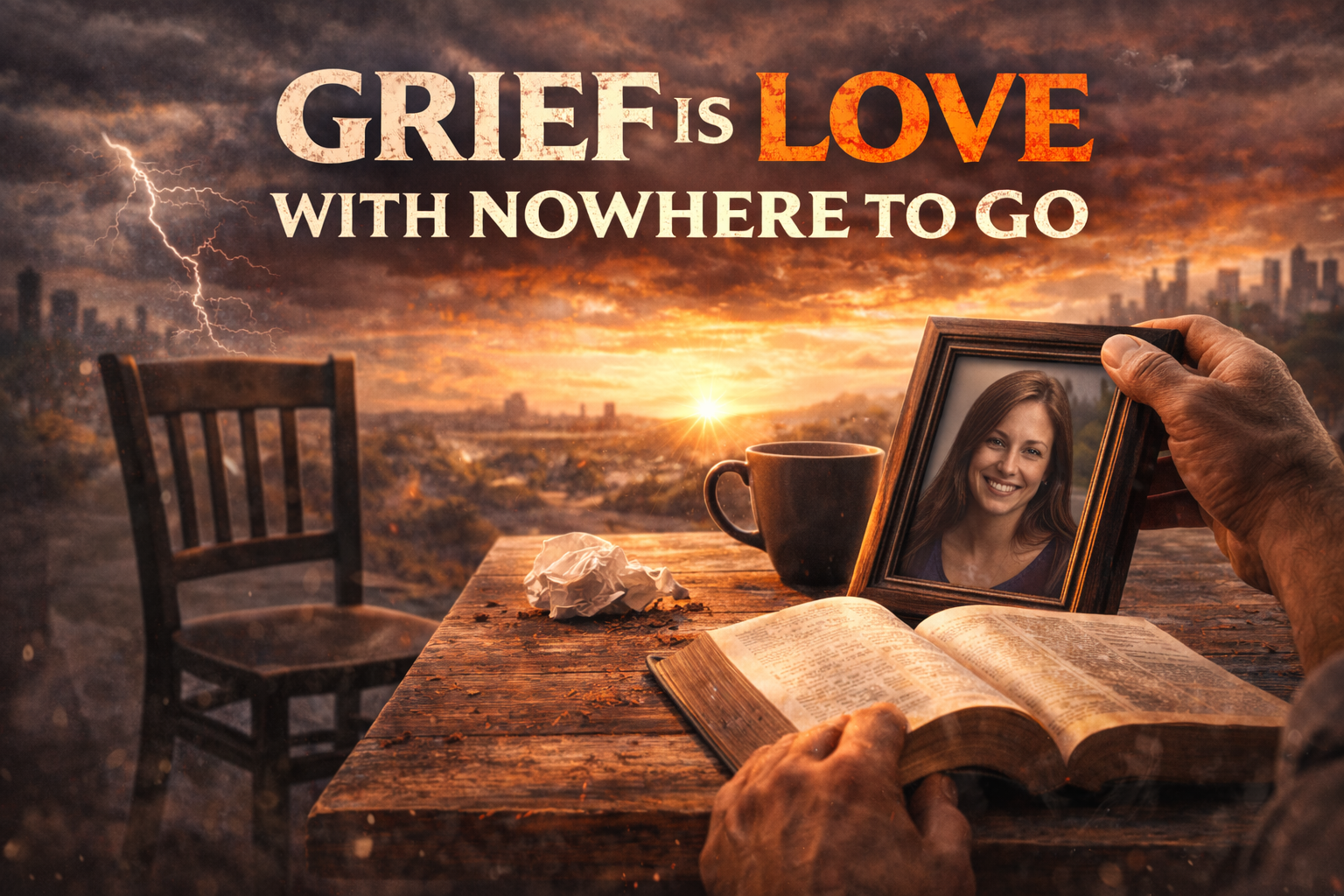
The cafe didn’t change, but everything felt different—because grief can rearrange a room without moving a chair.
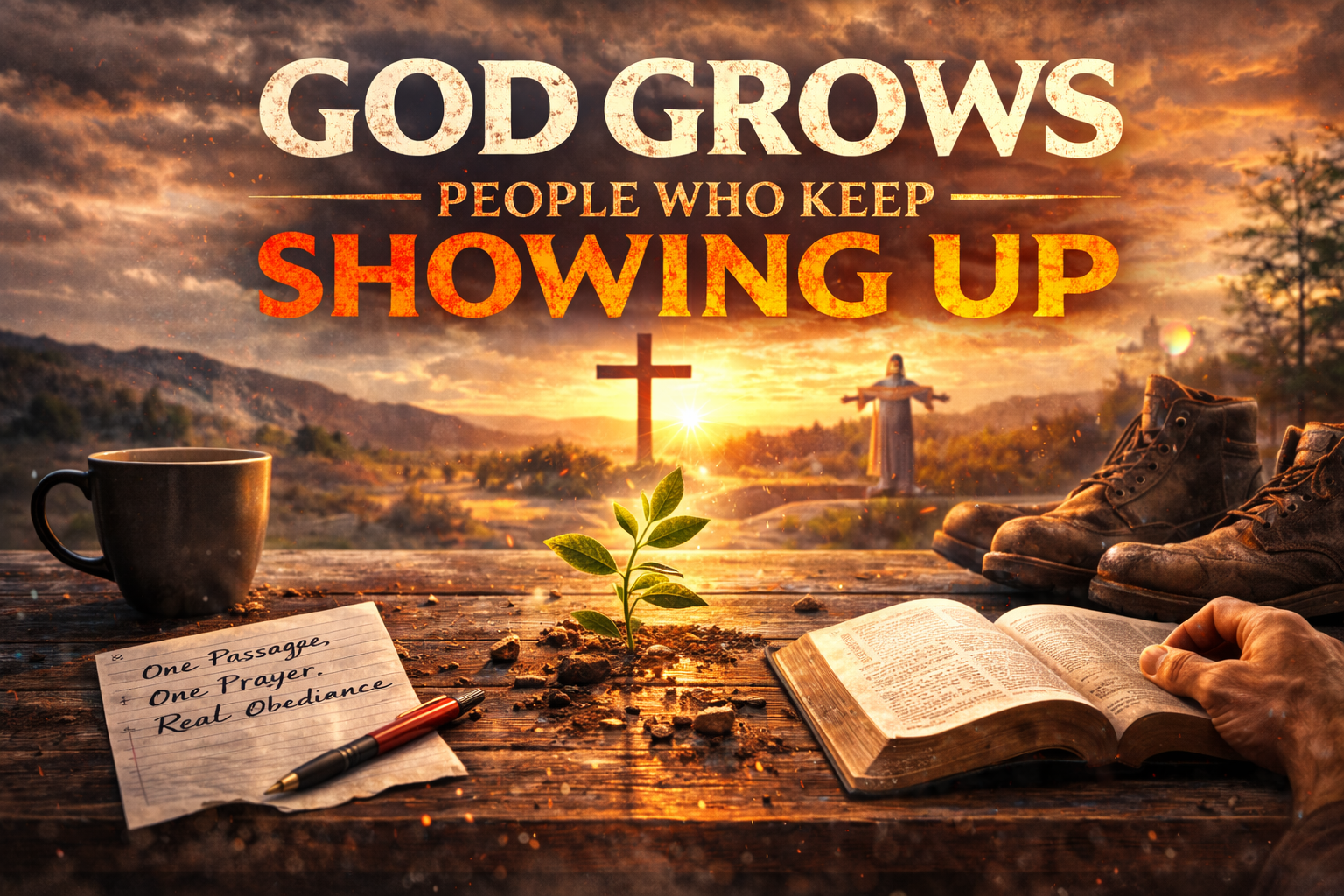
Elijah named the real issue: “Most believers want growth in theory. The question is what’s motivating you—and whether that motivation can outlast your mood.”
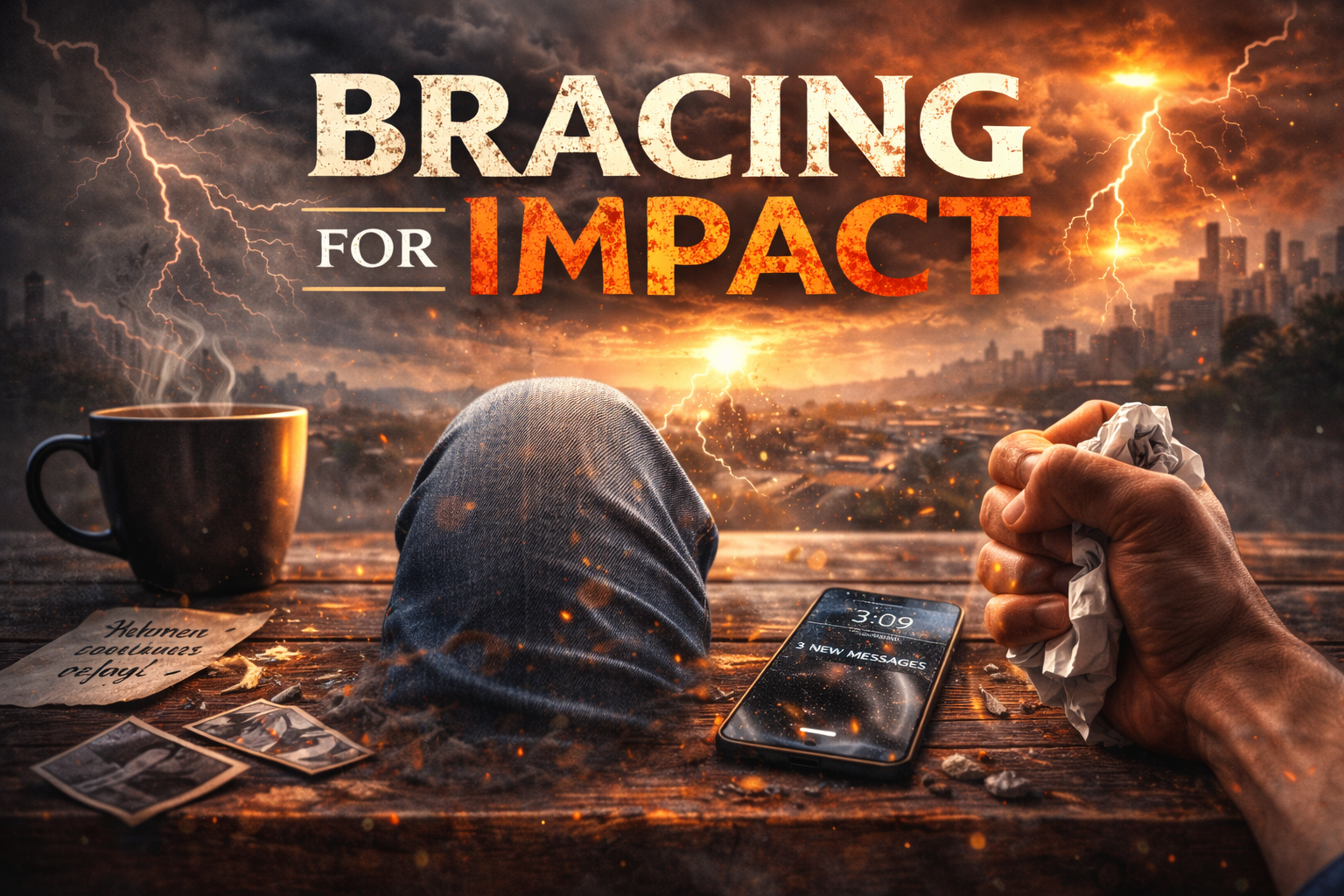
Elijah’s story proved the point: a faithful man can win a battle and still collapse afterward. Burnout doesn’t ask permission.

Elijah’s conclusion was simple and sharp: “Forgiveness isn’t letting evil win. It’s refusing to become evil because you were wounded.”

Jeremiah drew the line God draws: “Be angry, and yet do not sin… do not let the sun go down… and do not give the devil an opportunity” (Ephesians 4:26–27).
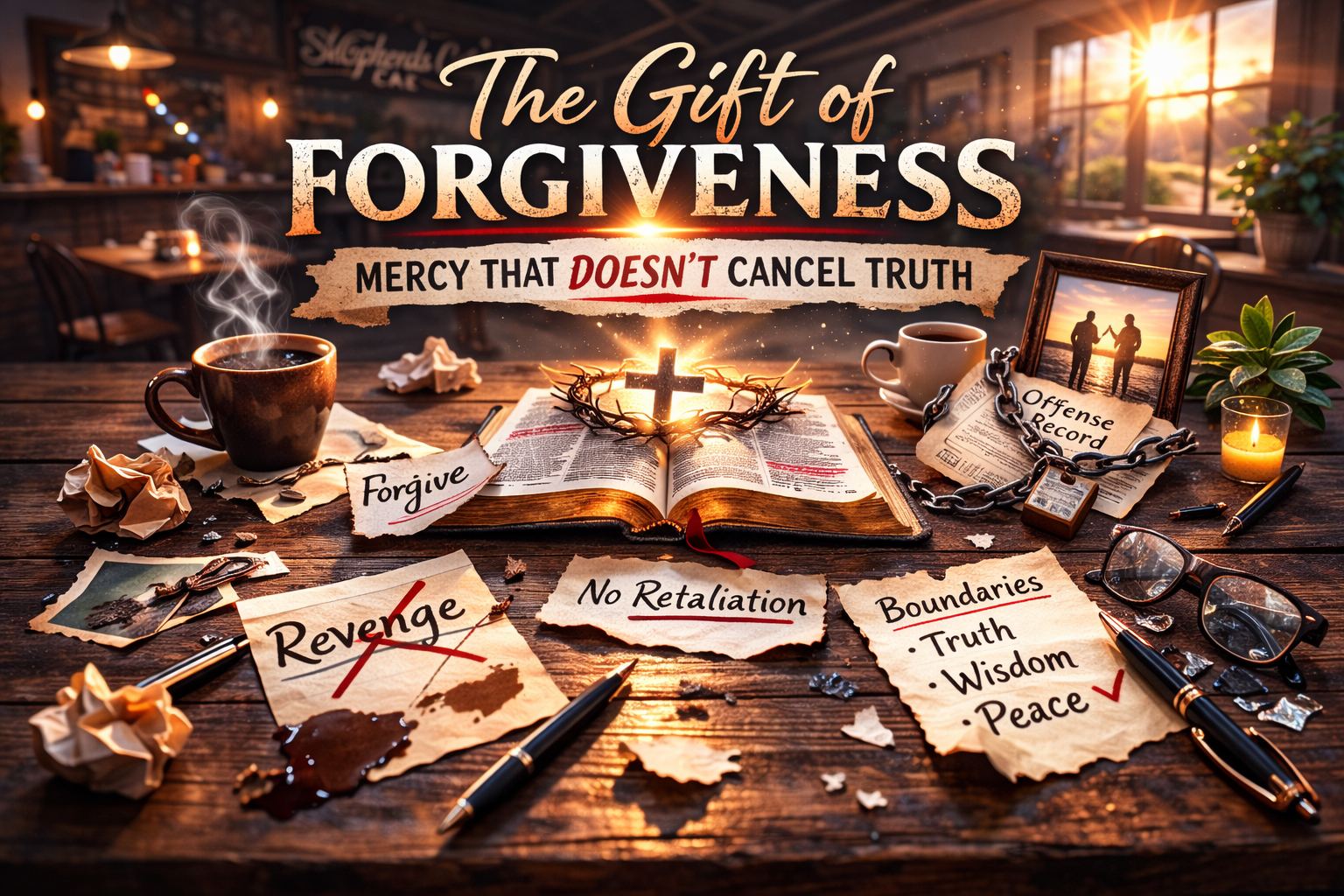
Barbara said it plainly: “Forgiveness doesn’t cancel consequences. It cancels your right to revenge.”

Gossip never walked into The Shepherds Cafe wearing boots. It wore slippers—quiet, familiar, and comfortable enough to pass as “just talking.”
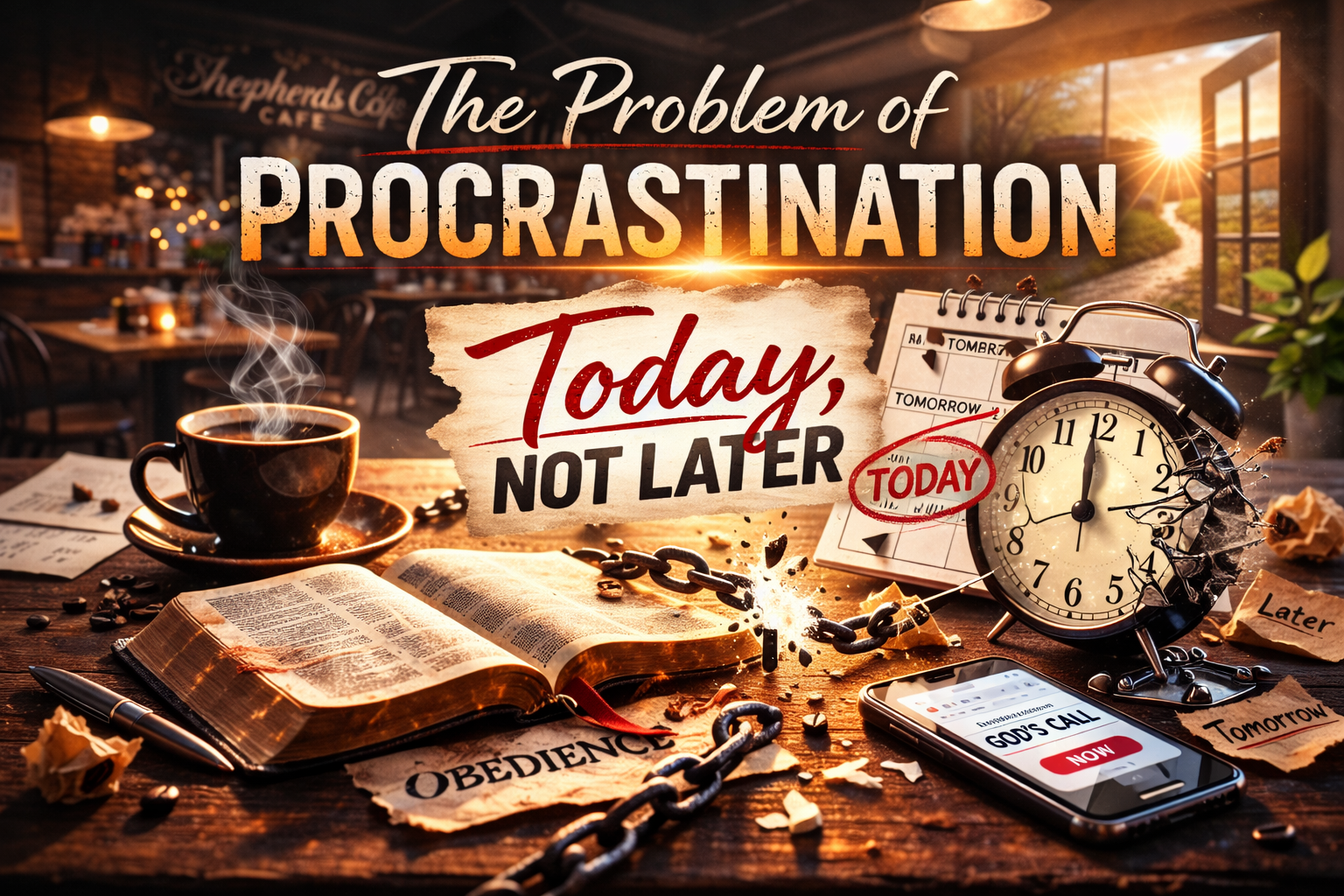
The coffee steamed like a warning: time was moving even while the room sat still.
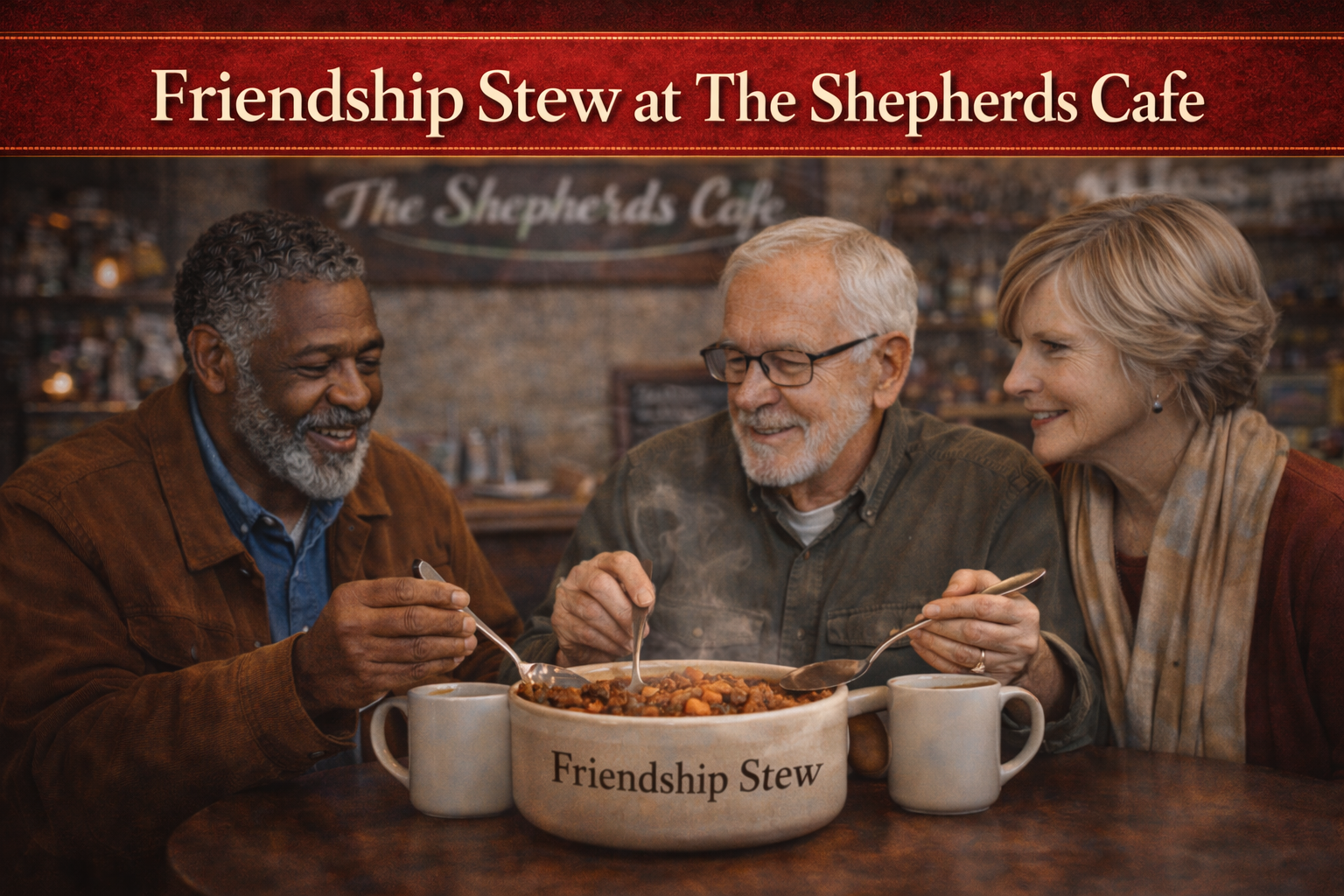
Elijah set his phone down and said it plain: “Friendship has ingredients. And most people want the meal without paying for the groceries.”