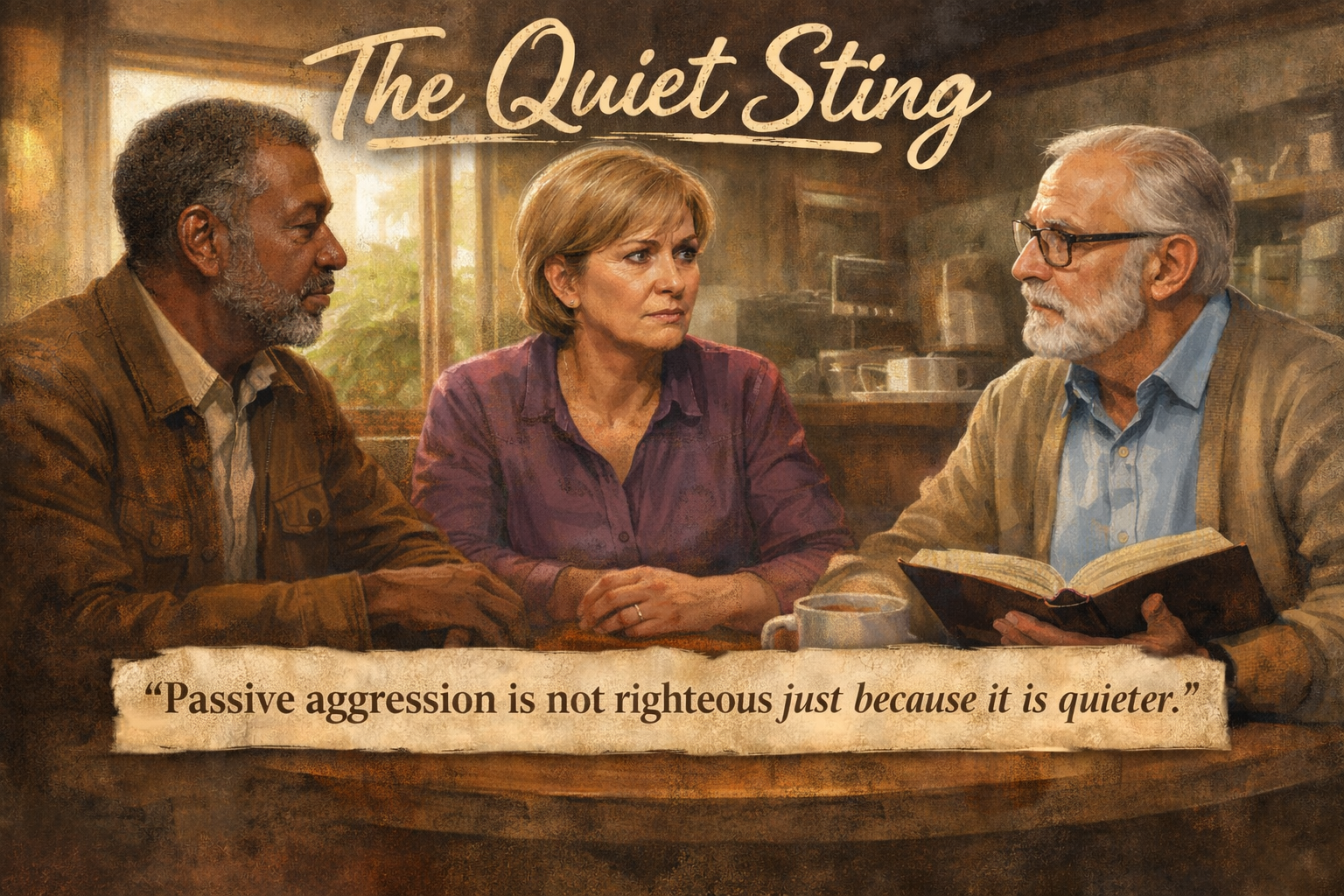
The Quiet Sting
“Passive aggression is not righteous just because it is quieter.”
“Passive aggression is not righteous just because it is quieter.”

Elijah read the warning label out loud: handle with caution, because rage is volatile and the world is already running on fumes.

At The Shepherds Cafe, an old chair nobody wanted to move becomes the perfect picture of the sins, resentments, and neglected problems people keep learning to live around.

At The Shepherds Cafe, Jeremiah, Elijah, and Barbara reflect on why Ecclesiastes remains one of the Bible’s most honest books—teaching that even in a world marked by frustration, ordinary joys are still gifts from God.
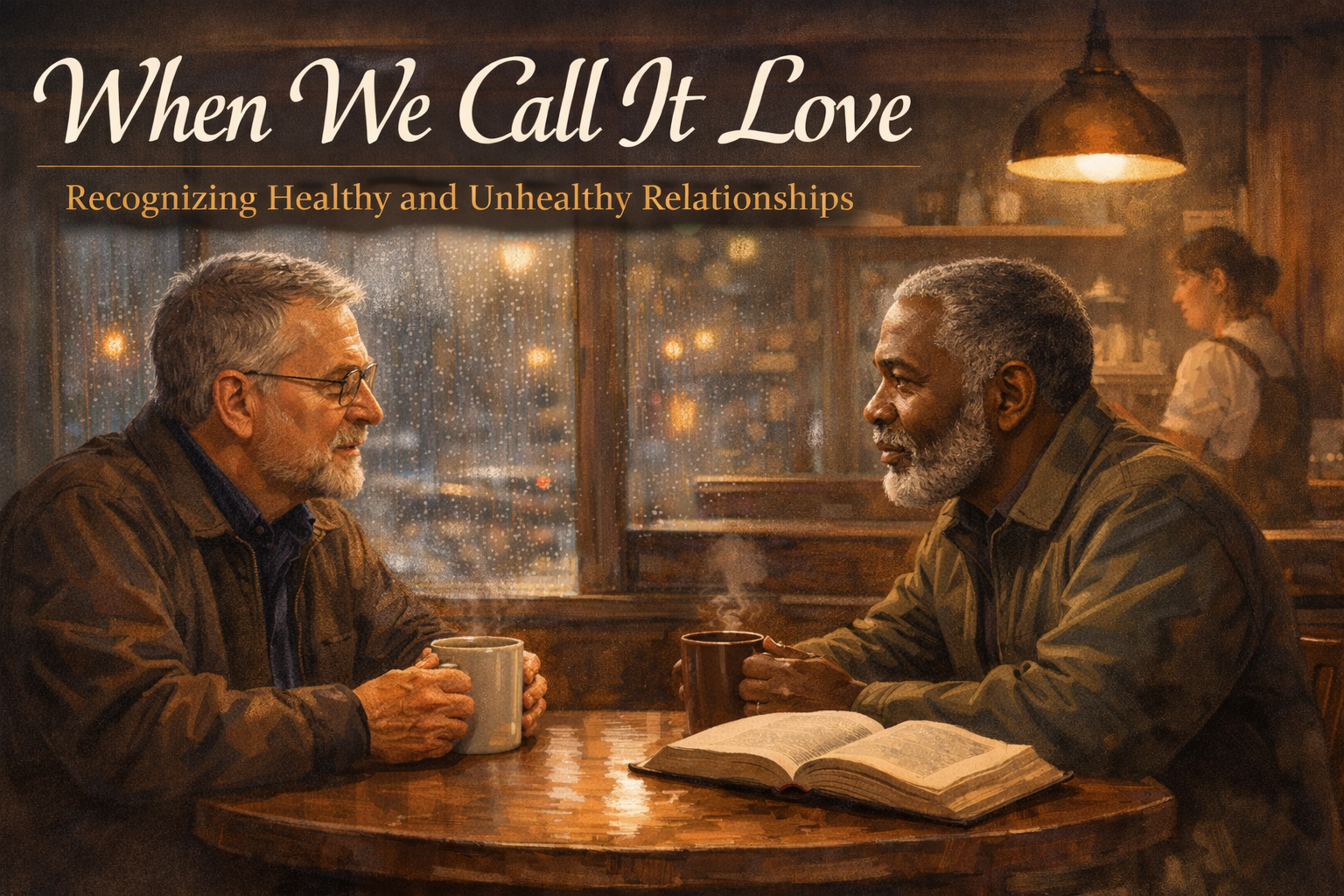
What happens when Christians define relationships by feelings instead of Scripture? This warm but serious discussion shows how unhealthy patterns drain the soul, while godly relationships strengthen truth, joy, and faithfulness.

“Holiness is not God trying to keep you from joy. It’s God keeping joy from being poisoned.”
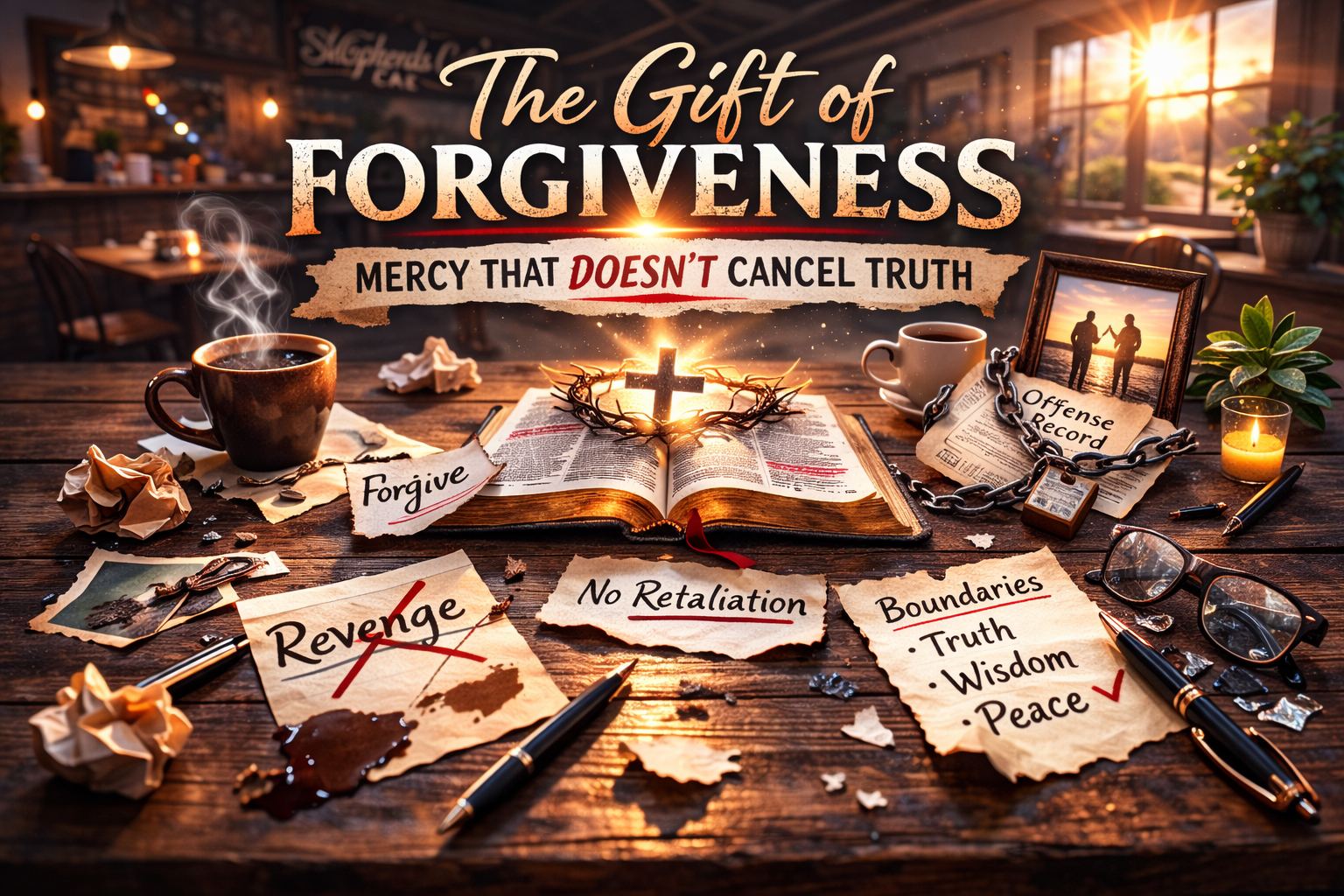
Barbara said it plainly: “Forgiveness doesn’t cancel consequences. It cancels your right to revenge.”
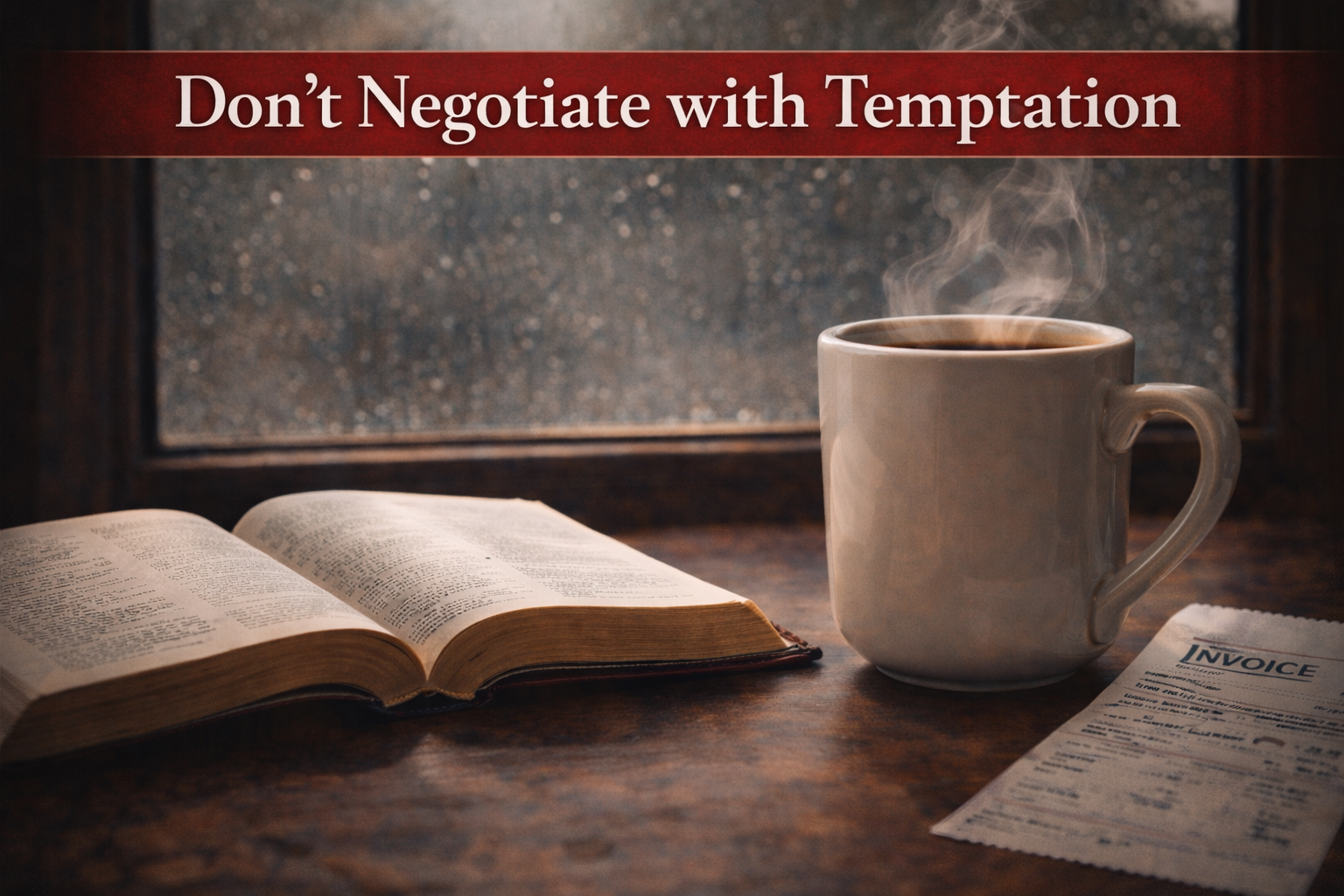
Elijah said it without sugarcoating: forgiveness is wonderful—but it’s better not to sin in the first place.

“Elijah didn’t speak in slogans. “We’re going to pray for local, state, and federal authorities,” he said, “because God uses people, and people need wisdom when the trail is cold and the stakes are high.”

“Let’s pray like we mean it.”
Elijah slid a napkin into the middle of the table and wrote four lines like he was driving nails into wood: protection, justice, courage for leaders, endurance for congregations.