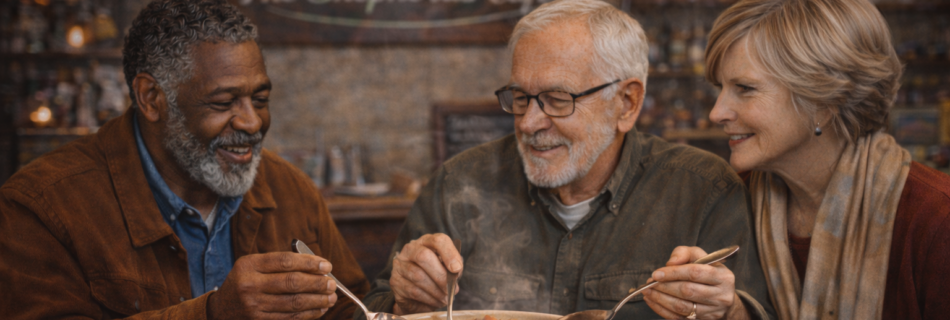
Friendship Stew at The Shepherds Cafe
Elijah set his phone down and said it plain: “Friendship has ingredients. And most people want the meal without paying for the groceries.”
Elijah set his phone down and said it plain: “Friendship has ingredients. And most people want the meal without paying for the groceries.”
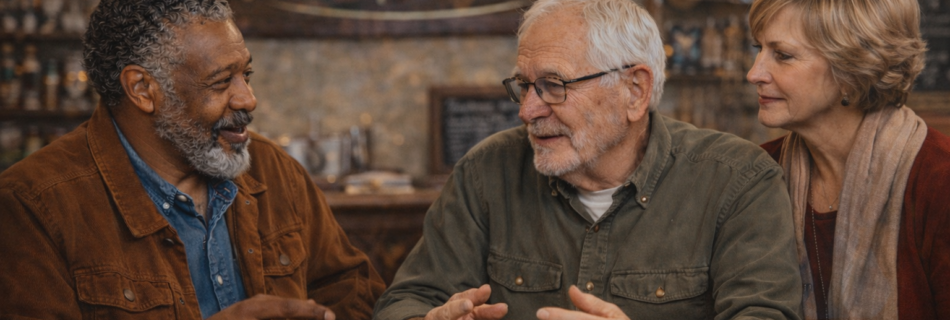
The rain on the window sounded like a quiet warning: a community can stay under the same roof and still live miles apart if trust dies.

“The world sells romance,” Jeremiah said, “but Scripture trains us in agápē—love that chooses the good of another, even when it costs.”
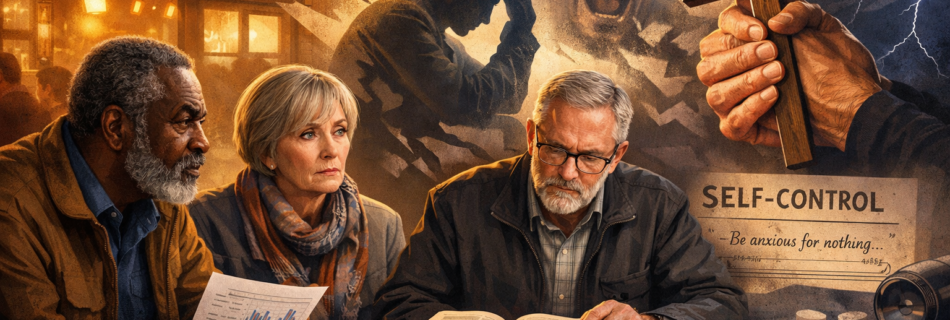
The Crisis
“‘We are in the middle of a mental health crisis,’ Elijah said. ‘Not a slogan—measurable.’ Jeremiah slid the pages forward, and the numbers landed like a weight: anxiety, depression, hopelessness—rising year over year. ‘This isn’t a phase,’ Barbara whispered. ‘It’s a fire.’”
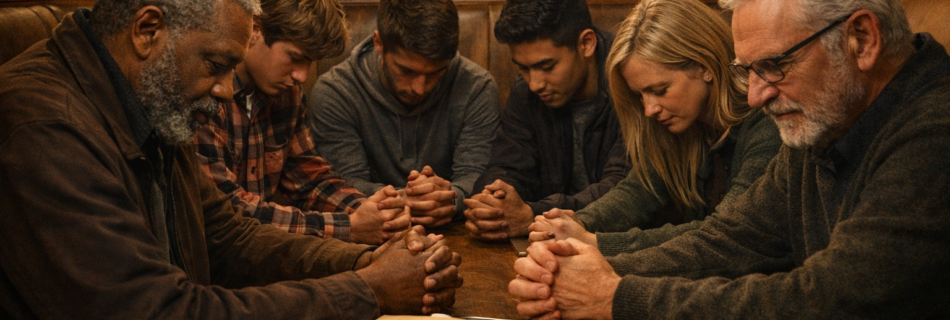
“The back corner of The Shepherds Cafe had a small half-wall and a couple of worn booths that felt tucked away on purpose.”

On the muted TV behind the counter, the father was the punchline again. Jeremiah looked away and whispered, “Lord, help me not get numb to what’s being done to the idea of fatherhood.”

“We’ve told ourselves sacrifice is what you do when you’ve got extra,” Elijah said. “But Scripture describes sacrifice as what you do when you don’t have extra—and you choose love anyway.”

Hannah didn’t come to The Shepherds Cafe for coffee. She came because rebellion had started to feel like the default setting of the world—and she was raising three children alone. “I need clear lines,” she told Barbara. “Biblical lines. Not ‘mom is in a mood’ lines.”