The Father’s Chair
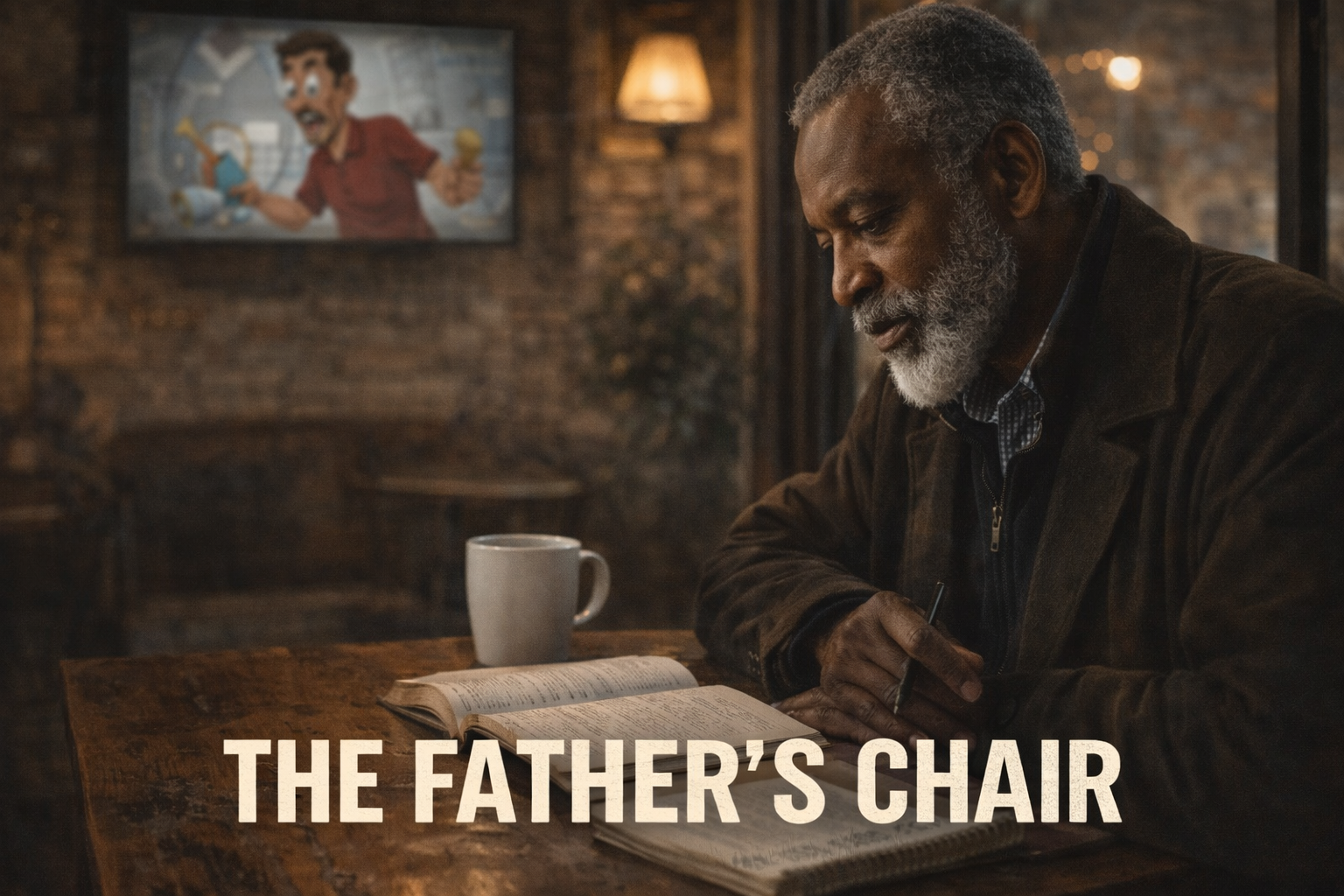
On the muted TV behind the counter, the father was the punchline again. Jeremiah looked away and whispered, “Lord, help me not get numb to what’s being done to the idea of fatherhood.”
On the muted TV behind the counter, the father was the punchline again. Jeremiah looked away and whispered, “Lord, help me not get numb to what’s being done to the idea of fatherhood.”

Barbara stirred her coffee slowly, watching the dark surface twist into circles. “That’s what slander does,” she said. “It doesn’t always explode. It just keeps stirring until everything gets cloudy.”
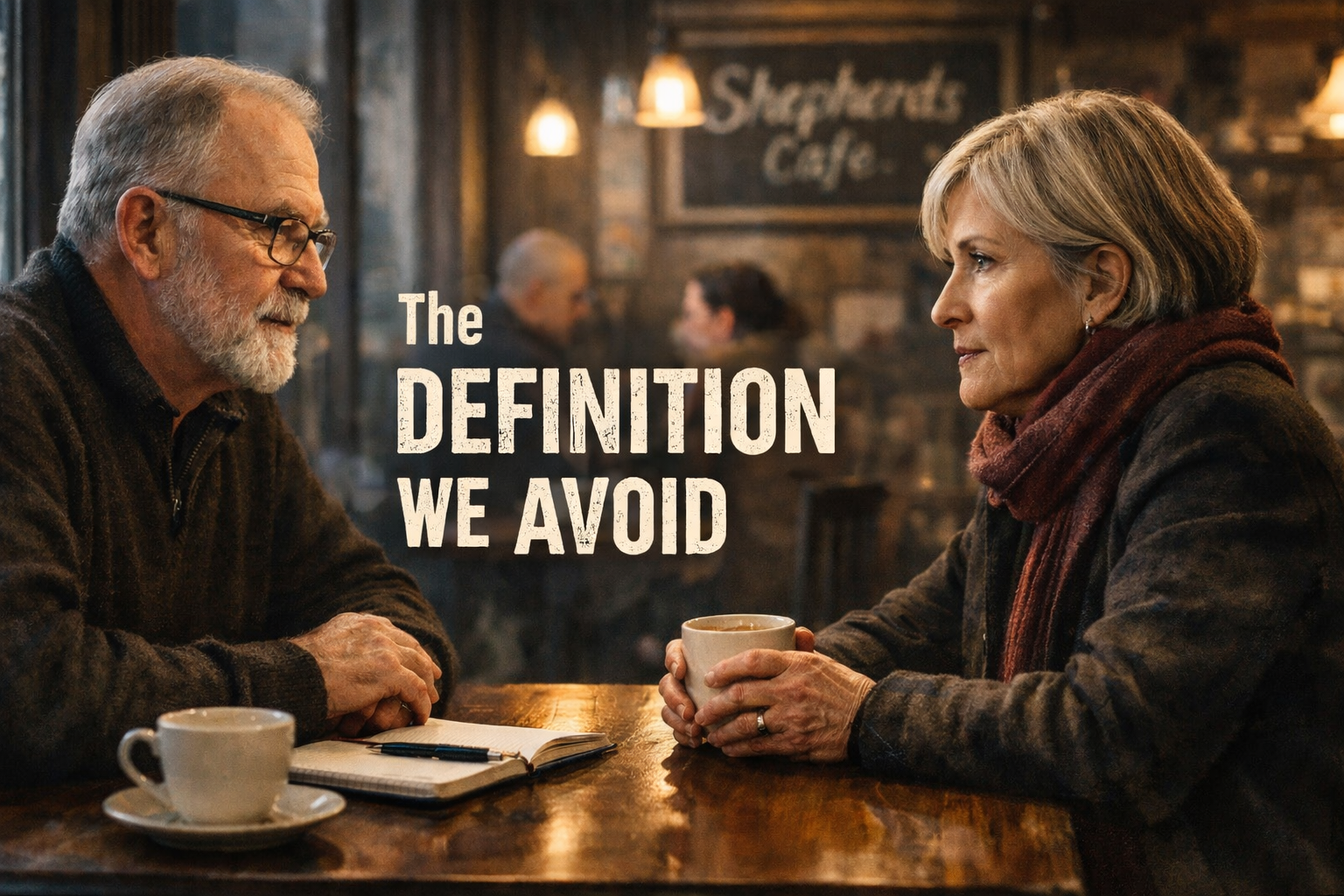
“We’ve told ourselves sacrifice is what you do when you’ve got extra,” Elijah said. “But Scripture describes sacrifice as what you do when you don’t have extra—and you choose love anyway.”

The bell over the door of The Shepherds Cafe chimed softly, and Barbara stepped into warmth that smelled like coffee and cinnamon. Elijah sat at the window table with his notebook open—untouched—like he’d been waiting on a conversation more than a thought.

Caleb Mercer walked into The Shepherds Cafe wearing the kind of exhaustion that doesn’t come from long hours—only from long sorrow. His coffee was black, his hands shook, and the wedding band on his finger looked heavier than it should.
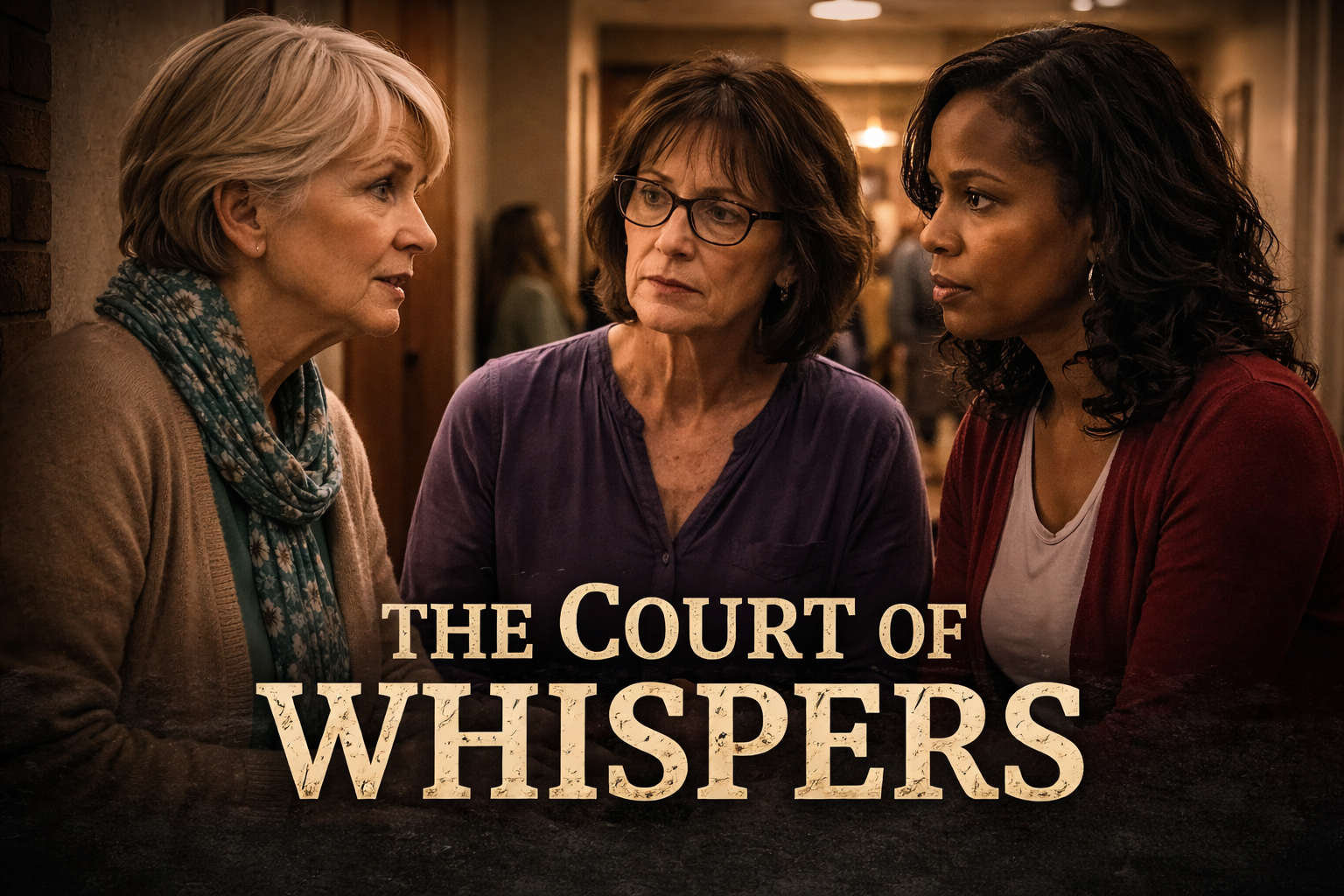
Barbara heard her name in the hallway—and the tone told her everything. A rumor had already started forming a verdict. Instead of defending herself in public, she chose the harder road: “Can we talk privately? Right now. Let’s obey Jesus.”
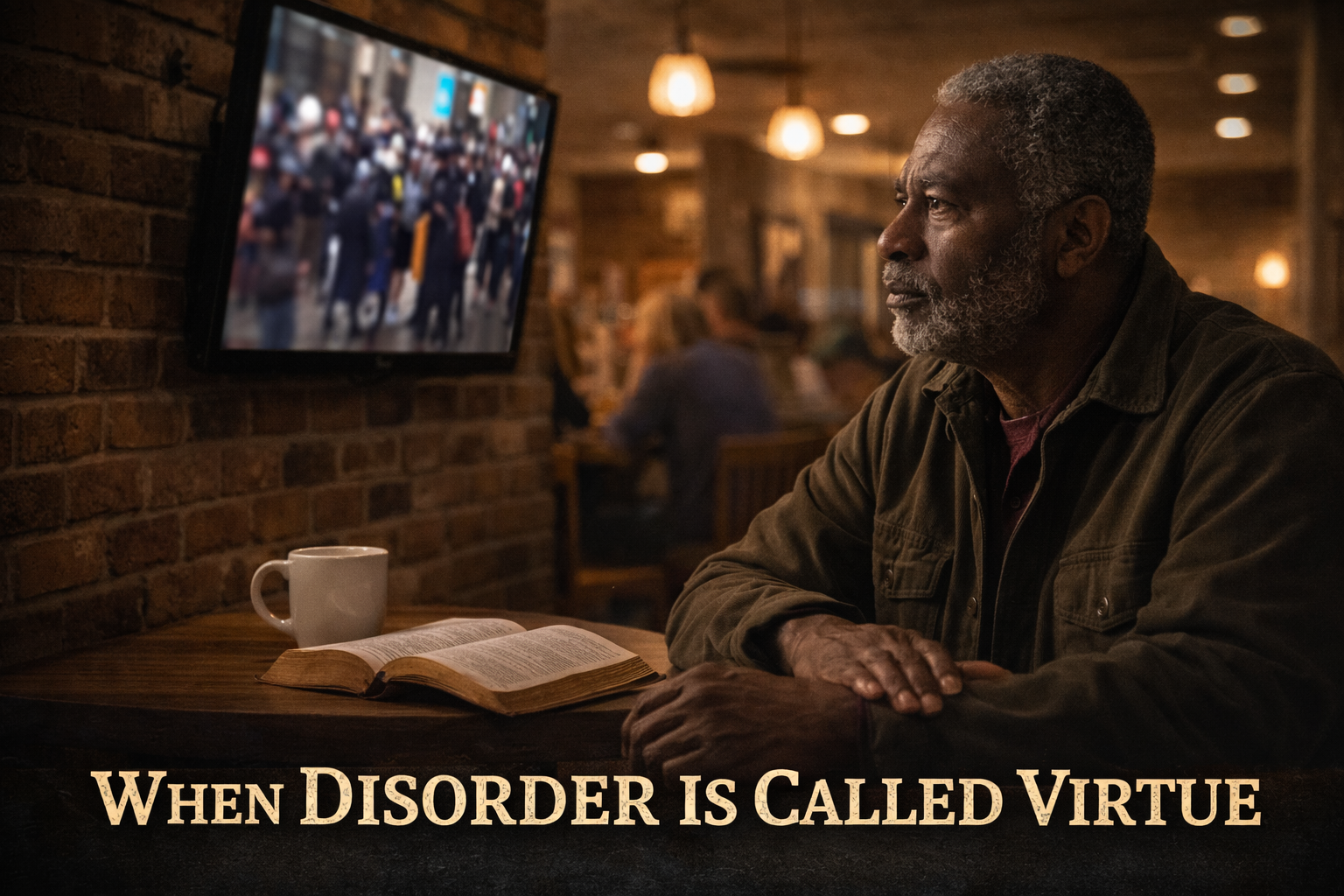
Jeremiah sat beneath the wall-mounted TV at The Shepherds Cafe and watched Minnesota boil on repeat. The café was warm, but the broadcast was cold—contagious contempt dressed up as virtue.
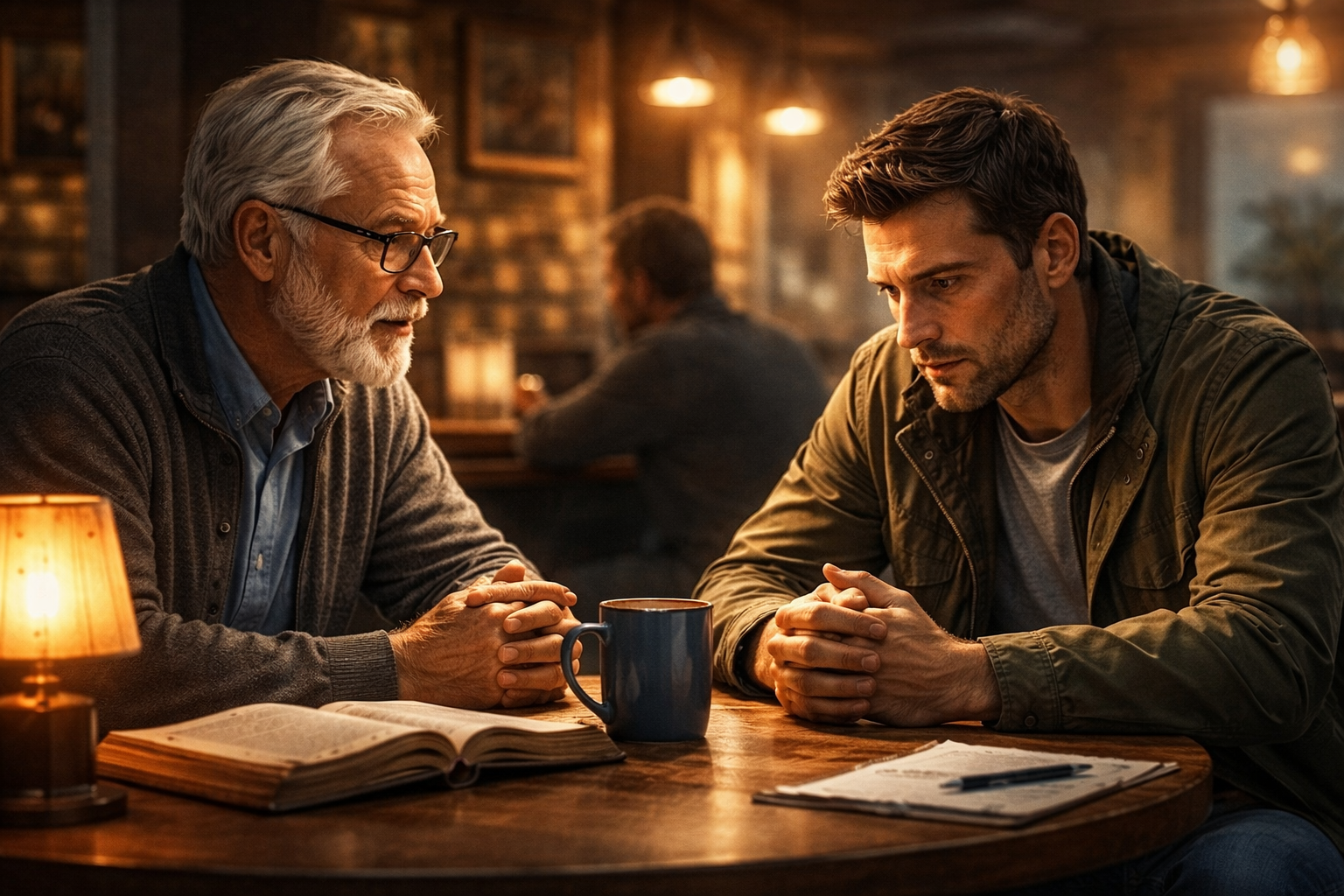
Marcus walked into The Shepherds Cafe expecting coffee. What he got was clarity. “I think I’m losing my wife,” he admitted—then Elijah asked the question that cut through every excuse: “When is the last time you pursued her?”
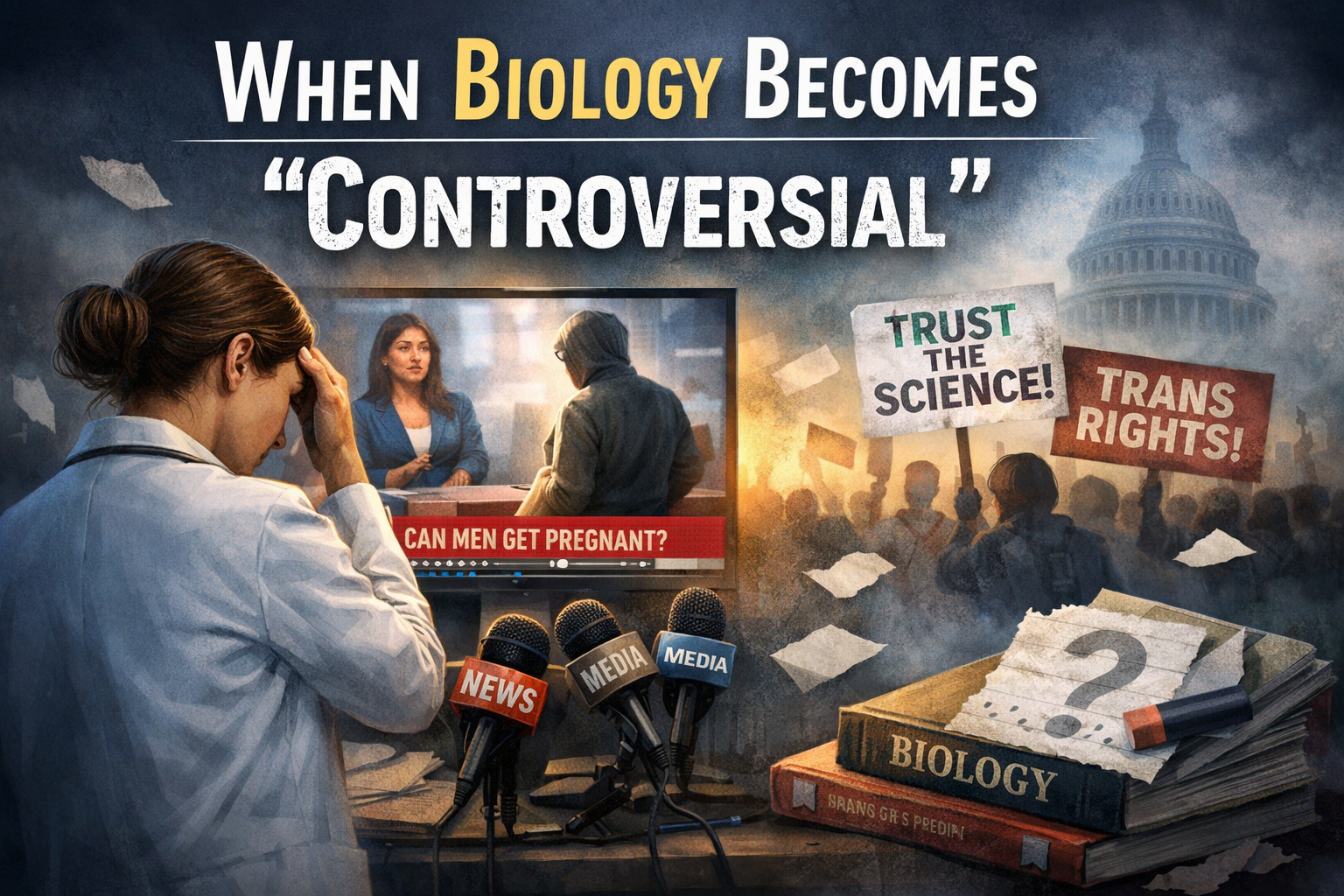
The studio lights were hot, but the air felt sterile. Dr. Lena Hart had delivered babies, managed hemorrhages, and spoken hard truths to grieving families—yet one simple question tightened her throat like a tourniquet: “Can men get pregnant?” The silence that followed wasn’t medical. It was cultural. And it was louder than any answer.